Los Altos Residence, DESIGNED BY Bohlin Cywinski Jackson
FROM THE ARCHITECTS
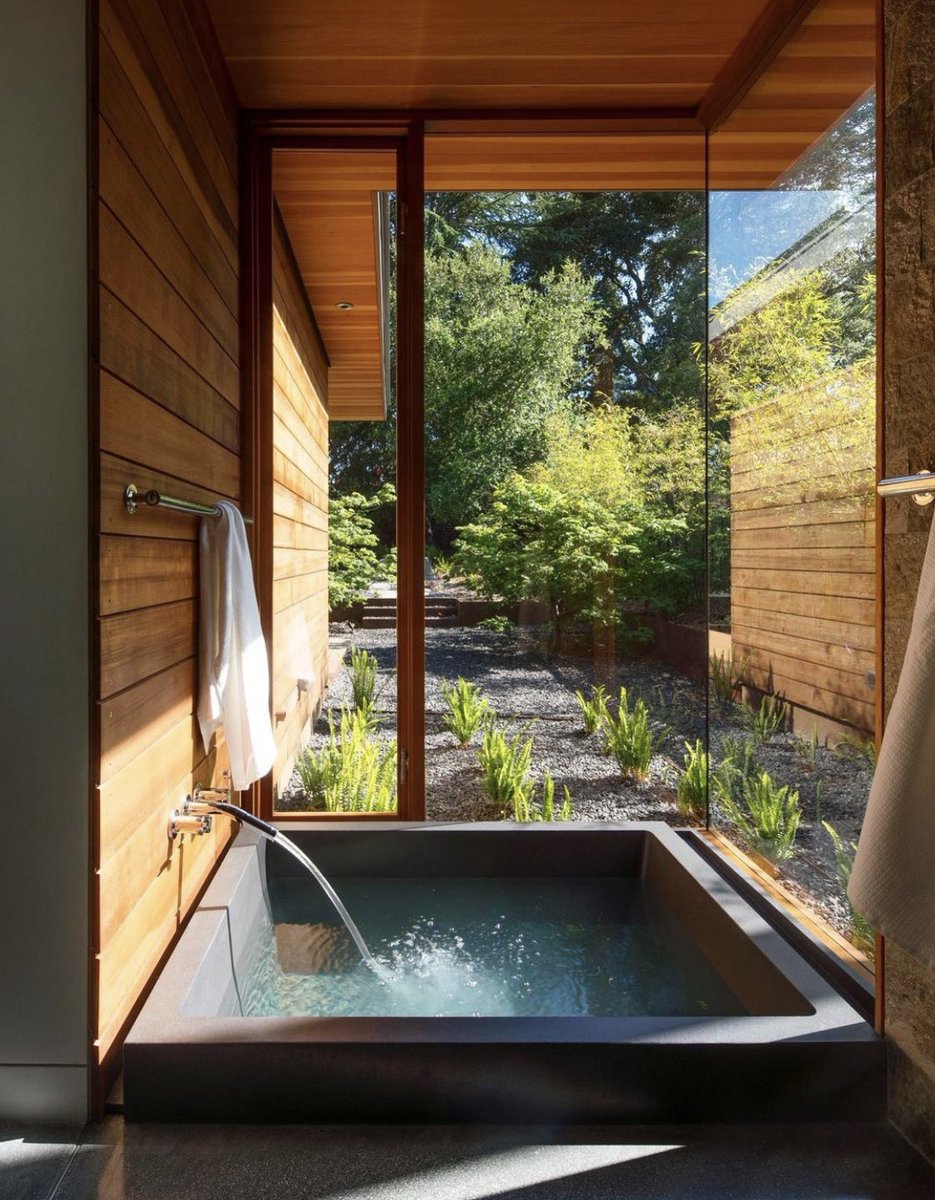
Located in an established Los Altos neighborhood, this single-family residence is a modernist reinterpretation of the Northern California ranch-style home the clients desired. Nestled among neighboring houses and mature trees, the home offers a sense of privacy and a respite from daily life. Designed around an existing Japanese maple — a remnant of the original landscape and a symbolic anchor between house and site — the home embraces the region’s mild climate. Windows and doors fill the interiors with air and light, framing views of the surrounding flora. In the living room, a wall of sliding glass doors blurs the boundary between inside and out, opening onto a patio overlooking a meadow of tall grasses. In the master bedroom, the sound of trickling water and rustling leaves drifts in from the adjacent meditation garden. These moments, where nature extends into the home, help root the architecture within its landscape. The main house centers on a double-height living and communal space running parallel to the street, creating a buffer from the quiet thoroughfare. This central space — containing a modest kitchen and a family gathering area — connects two single-story wings that house private and functional rooms. Each room enjoys views outward; a linear pool and board-formed concrete garden wall along the property’s eastern edge visually link the main house to the guesthouse beyond. A crisp, natural material palette reflects the clients’ affinity for simplicity and tranquility. Woods such as Douglas fir, western red cedar, and gray elm introduce warmth, offset by exposed steel, polished concrete floors, and a textured concrete fireplace. A 10-foot live-edge Claro walnut dining table anchors the living area, balancing the clean architectural lines. Minimal furnishings reinforce the serene environment. The single-story configuration and its many landscape connections create a home that is calm, restful, and enduring. Sustainability The environmentally conscious owners leveraged the mild regional climate to passively cool the home. Operable windows and clerestories encourage cross-ventilation, while framing views of the landscape. Sustainable strategies include: • Passive Cooling: The central living space is oriented east–west with operable openings on both north and south facades, enabling cross breezes. Its double-height volume enhances the chimney effect, drawing warm air upward to escape through clerestory windows, eliminating the need for forced-air cooling. • Renewable Energy: South-facing photovoltaic and domestic hot water panels reduce net energy consumption. • Thermal Mass: Concrete radiant floors provide winter warmth. • Energy Conservation: A well-insulated envelope uses spray polyurethane in ceilings and fiberglass blow-in insulation in walls. A high-albedo cool roof reduces heat gain, while large overhangs shade south-facing glass in summer and admit low winter sun. • Indoor Air Quality: Low- to no-VOC paints, stains, and sealants were used, and composite wood products meet low-formaldehyde standards. • Water Reduction: Low-flow fixtures, zoned drip irrigation with rain/moisture sensors, and native plantings — including the meadow — minimize water use and maintenance. Together, these strategies create a home that is environmentally responsive, energy efficient, and deeply connected to its landscape.